Your Body Wants to Skip Movement
Here’s Why Moving Anyway Can Transform Your Health, Hormones, and Mind Naturally
Some days, the hardest part isn’t the workout. It’s simply showing up.
At My Yoga Vibe, where we work closely with women through online therapeutic yoga and Pilates classes, we’ve noticed a common pattern. Women often assume that if they don’t feel energetic, they shouldn’t move. In reality, the opposite is often true.
Most days, your body isn’t asking you to stop moving.
It’s asking you to move differently.
Whether you’re balancing work meetings, managing a family, dealing with hormonal fluctuations, or simply feeling emotionally drained, gentle, mindful movement can become one of the most powerful forms of self-care.
In this article, we’ll explore why your body resists movement, what science says about exercise and women’s health, and how therapeutic yoga can help you feel stronger, calmer, and more connected to yourself—without pushing your body to exhaustion.
Why Does Your Body Want to Skip Movement?
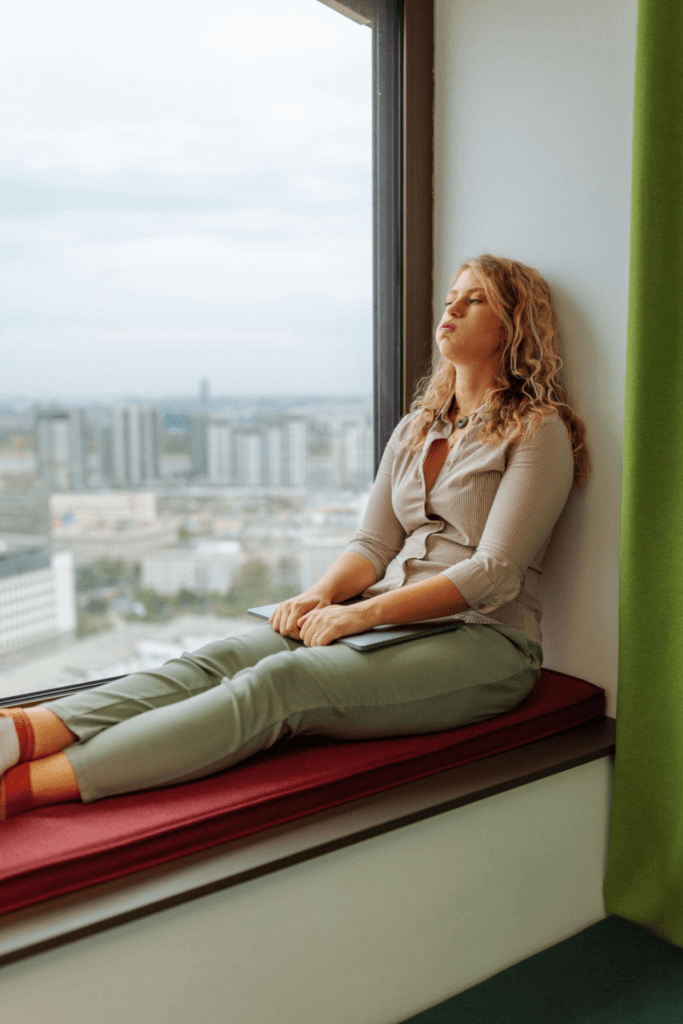
Have you ever woken up feeling as though your body had already worked a full day?
Your shoulders feel tight.
Your hips feel stiff.
Your lower back aches.
Your energy feels unusually low.
Then comes the inner dialogue:
- “Maybe I should skip today’s workout.”
- “I’ll start again tomorrow.”
- “I’m just too tired.”
If this sounds familiar, you’re far from alone.
Many women believe these feelings mean their bodies need complete rest. In reality, your body is often asking for something very different.
It may simply need:
- Better circulation
- Gentle mobility
- Deep breathing
- Nervous system regulation
What Happens Inside Your Body?
Instead of thinking of tiredness as “lack of motivation,” let’s understand what’s happening physiologically.
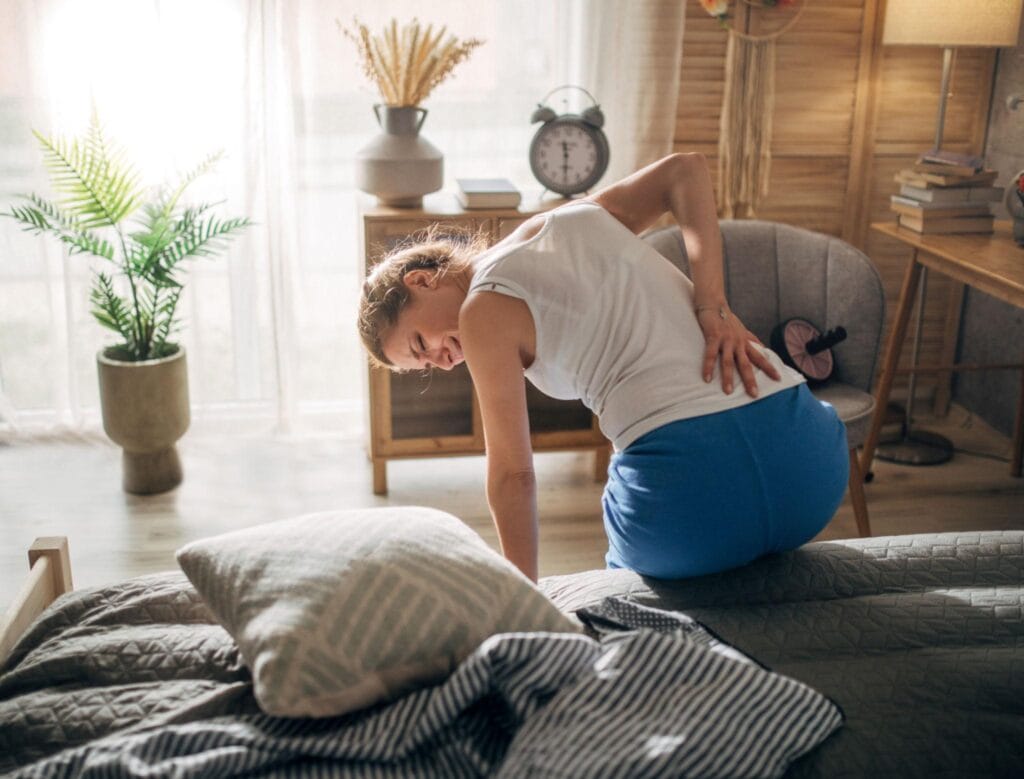

Stress Doesn’t Just Affect Your Mind—It Changes Your Body
Stress isn’t simply emotional—it creates measurable physical changes. When cortisol remains elevated over long periods, it can contribute to:
- Muscle stiffness
- Shallow breathing
- Joint pain
- Poor digestion
- Increased inflammation
- Low energy
- Disturbed sleep
- Higher pain sensitivity
According to the American Psychological Association, chronic stress has significant effects on physical health, including musculoskeletal discomfort and fatigue.
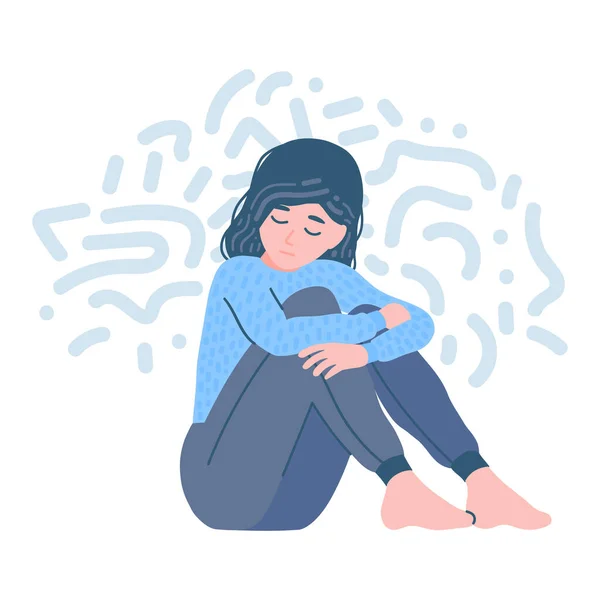
Movement Helps Your Nervous System Feel Safe Again
Gentle movement isn’t just about burning calories.
It tells your brain:
“We’re safe.”
Therapeutic yoga, Pilates, walking, stretching, and mobility exercises stimulate the parasympathetic nervous system—the body’s natural “rest and restore” mode.
Research published by Harvard Medical School shows that regular yoga practice can reduce cortisol levels while improving mood, sleep quality, and overall emotional well-being.
When you move consistently, your body experiences:
- Better blood circulation
- Improved oxygen delivery
- Healthier joint lubrication
- Enhanced lymphatic drainage
- Better posture
- Stronger muscles
- Reduced muscle tension
- Improved breathing capacity

Modern Women Carry More Than Physical Tiredness


Today’s women carry multiple invisible loads every day.
Emotional Load
Managing family responsibilities while supporting everyone else’s well-being.
Professional Pressure
Long work hours, deadlines, meetings, and constant digital connectivity.
Hormonal Changes
Monthly menstrual cycles, PCOS, thyroid concerns, perimenopause, and menopause.
Lifestyle Challenges
- Long sitting hours
- Poor sleep
- Irregular meals
- Emotional stress
- Limited personal time
These factors don’t simply affect your mood—they influence how your body feels physically every day.
Hormones Change—Your Movement Should Too
Women’s bodies naturally change throughout life.
Instead of forcing the same workout every day, your movement should adapt.
| How You Feel | Best Type of Movement |
|---|---|
| During menstruation | Gentle stretching, breathwork, restorative yoga |
| PMS | Relaxation, mobility, calming yoga |
| High-energy days | Pilates, strength-based yoga |
| Busy workdays | Short mobility sessions |
| Feeling stiff | Slow yoga flow and flexibility work |
| Stress Increases Cortisol | Chronic stress keeps your nervous system in survival mode, increasing muscle tension and fatigue. |
| Blood Circulation Slows | Prolonged sitting reduces oxygen and nutrient delivery to muscles and joints. |
| Muscles Become Tight & Weak | Inactivity weakens muscles while making joints stiffer. |
| Nervous System Stays Overloaded | The body struggles to shift into its natural recovery mode. |
Consistency means supporting your body intelligently.
Life Doesn’t Always Follow Your Schedule
One missed morning doesn’t mean you’ve failed.
Some days:
- Work runs late.
- Children need attention.
- Guests arrive unexpectedly.
- Sleep becomes more important.
- Responsibilities multiply.
Many women think:
“I already missed my workout, so today is gone.”
Instead, ask yourself:
- Can I stretch for 15 minutes?
- Can I take a walk after dinner?
- Can I do breathing exercises before bed?
- Can I join an evening online yoga class?
Those small decisions build lifelong health.
Signs Your Body Needs Movement
Sometimes the symptoms that convince you to stay inactive are actually signals that your body needs gentle movement.
✅ Stiff joints
✅ Tight neck and shoulders
✅ Lower back discomfort
✅ Brain fog
✅ Mood swings
✅ Low energy
✅ Poor posture
✅ Tight hips
✅ Feeling emotionally overwhelmed
If several of these sound familiar, your body may benefit more from gentle therapeutic yoga than complete inactivity.
Therapeutic Yoga vs. High-Intensity Fitness
| Therapeutic Yoga & Pilates | High-Intensity Workouts |
|---|---|
| Supports hormonal balance | Can increase cortisol if overdone |
| Improves flexibility | Focuses primarily on calorie burn |
| Strengthens gently | Higher injury risk when fatigued |
| Calms the nervous system | May overstimulate stressed bodies |
| Suitable for all ages | Not ideal every day for every woman |
This doesn’t mean intense workouts are “bad.” It means your movement should match your body’s current needs.
What Happens When You Move Consistently?
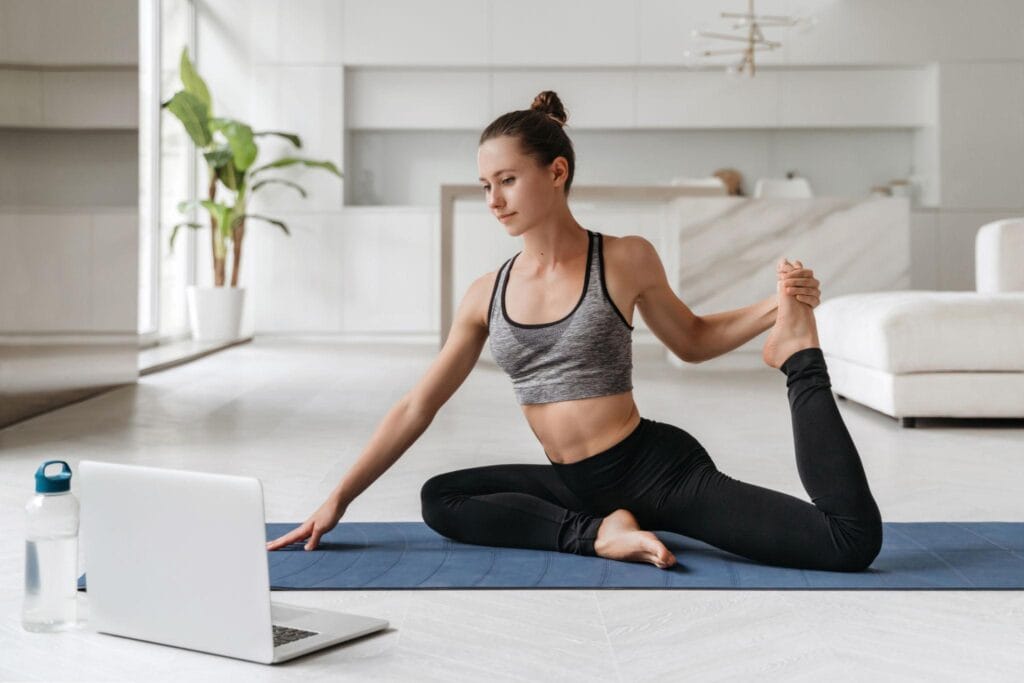
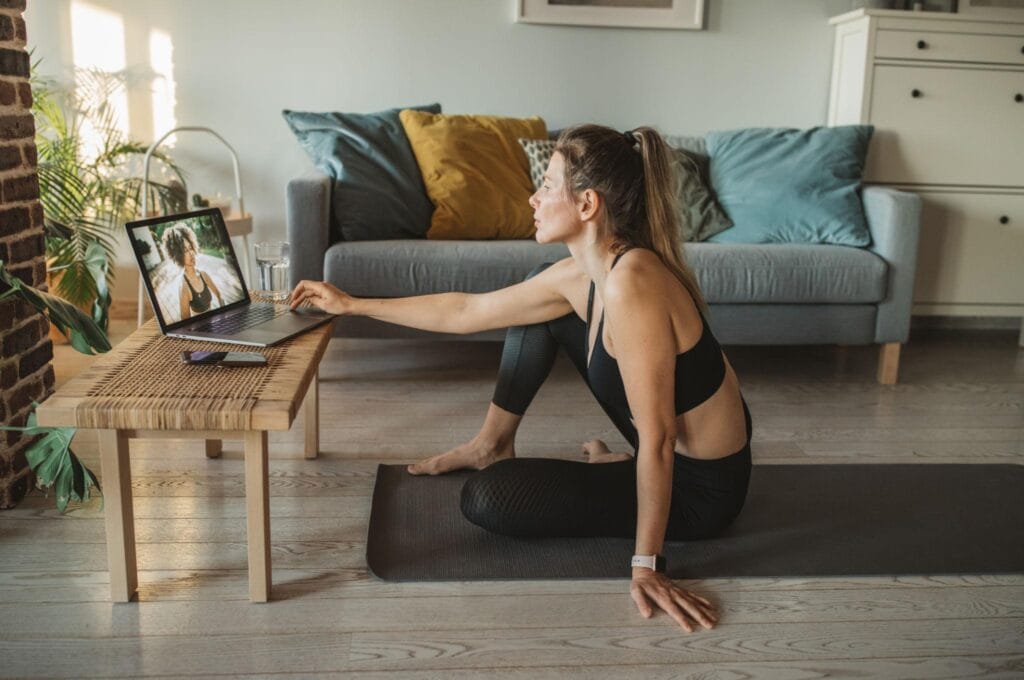
Physical Health
- Better circulation
- Stronger muscles
- Improved posture
- Healthier joints
Hormonal Health
- Lower stress hormones
- Better menstrual wellbeing
- Improved energy regulation
Mental Wellbeing
- Reduced anxiety
- Better concentration
- Improved emotional resilience
Why Women Choose My Yoga Vibe
At My Yoga Vibe, every class is thoughtfully designed around women’s changing physical and hormonal needs.
Our live online therapeutic Yoga and Pilates sessions help women:
- Improve flexibility and posture
- Build functional strength
- Support hormonal wellbeing
- Reduce stress
- Improve breathing
- Increase energy naturally
- Create sustainable wellness habits
What Makes Us Different?
- Practice comfortably from home
- Certified female instructors
- Therapeutic Yoga & Pilates
- Hormone-friendly approach
- Live interactive classes
Frequently Asked Questions
Yes. Unless you’re ill or your healthcare provider has advised rest, gentle movement like yoga, stretching, or walking often improves energy, circulation, and mood.
Research suggests that regular yoga practice can lower stress levels, support nervous system regulation, improve sleep, and enhance overall well-being.
The WHO recommends 150–300 minutes of moderate activity per week, which works out to around 20–40 minutes daily.
Absolutely. Therapeutic yoga is gentle, adaptable, and appropriate for beginners as well as women recovering from inactivity or managing hormonal changes.
Read Other Articles
- Yoga for Stress Relief & Anxiety: A Guide for Women
 Yoga for Stress Relief, breathwork and deep rest calm stress and anxiety in women, what the research says, and safe practices for Indian women at home and abroad.
 - Yoga for Infertility Among WomenCan yoga help with infertility? What the research shows, 5 gentle poses, 2 breath practices and what to avoid, reviewed by a gynaecologist.
- Yoga for Menopause ReliefYoga for Menopause – How therapeutic yoga supports hot flashes, sleep, mood, joints and bone health in perimenopause and menopause, alongside your doctor’s care.