
Yoga for Postnatal
Yoga for Postnatal
Supporting Women on their Postpartum Journey
Gentle Strength • Core Healing • Hormonal Balance • Emotional Support of Life
Motherhood changes everything Body, Mind & Nervous System
After childbirth, a woman’s body is healing, hormonally sensitive, and deeply adaptive.
Postnatal movement is not about rushing back to your old body.
It is about restoring strength, stability, and confidence — safely and compassionately.
At My Yoga Vibe, our Postnatal Yoga Program is thoughtfully designed for women navigating postpartum recovery, whether you have had a normal delivery or C-section.
We blend:
Vinyasa Yoga • Mat Pilates • Bodyweight Strength • Light Resistance Training
to help you heal, reconnect with your body, and feel strong again — without pressure or comparison.
Why Postnatal Bodies Need a Specialised Approach
After delivery, a woman’s body undergoes profound physical and hormonal shifts, including:
Do any of these sound familiar?
You’re not broken — your body is rebalancing. The right kind of movement helps you adapt with strength and grace.

Abdominal wall weakness
Emotional sensitivity and nervous system overload

Residual relaxin causing joint laxity
Why Heavy Weight Training Is NOT Ideal in the Early Postnatal Phase
Strength training is valuable — but timing matters.
Healing Core & Pelvic Floor
Heavy lifting increases intra-abdominal pressure, which can:
- Worsen diastasis recti
- Strain the pelvic floor
- Trigger urinary leakage or pelvic heaviness
Hormonal Stress Load
Postnatal women already experience:
- High cortisol
- Sleep deprivation
- Nervous system fatigue
Heavy training can:
- Spike stress hormones
- Delay recovery
- Increase fatigue and inflammation
Joint & Connective Tissue Vulnerability
Relaxin may remain active for months, making the:
- Hips
- Knees
- Spine
more injury-prone under heavy load.
✨ We prioritise healing first — intensity later.
Why Our Training Methods Work Best Postnatally
Every class is designed to work with your body conditions — not against them.
Vinyasa Yoga (Gentle & Modified)
Perfect For:
Postnatal stiffness, stress, poor sleep, emotional regulation
Physiological Benefits
- Reduces cortisol
- Improves circulation & lymphatic drainage
- Supports digestion and hormonal balance
Anatomical Benefits
- Improves posture affected by feeding and holding the baby
- Strengthens stabilising muscles
- Enhances mobility without strain
Mat Pilates (Core Rehabilitation Focus)
Diastasis recti, weak core, C-section recovery, postural discomfort
Physiological Benefits
- Re-educates neuromuscular patterns
- Improves breathing mechanics
- Supports pelvic floor coordination
Anatomical Benefits
- Strengthens the Transverse Abdominis
- Corrects pelvic alignment
- Reduces back, shoulder, and neck pain
Bodyweight Strength Training
Women returning to movement with confidence and control
Physiological Benefits
- Improves metabolism safely
- Builds endurance without cortisol spikes
- Enhances cardiovascular health gently
Anatomical Benefits
- Restores functional movements (sit, lift, carry)
- Strengthens joints and stabilisers
- Activates glutes and core — essential for motherhood
Light Resistance Training
(Bands, 1–3 kg weights, ankle weights).
Perfect For:
Postnatal women easing back into strength training safely
Physiological Benefits
- Builds muscle without overloading
- Supports bone density
- Encourages steady, sustainable progress
Anatomical Benefits
- Strengthens arms, shoulders, and upper back (baby-care demands)
- Supports hips, knees, and pelvic floor
- Improves spinal stability
Why Breath-Holding Is Avoided in Postnatal Classes
Breath-holding increases downward pressure on the:
- Pelvic floor
- Healing abdominal wall
- C-section scars
This can lead to:
- Core doming
- Urinary leakage
- Pelvic pain
- Delayed healing
🌬️ We teach exhale-on-effort and diaphragmatic breathing, allowing strength to build without strain.
Emotional & Nervous System Support
Postnatal recovery is not just physical.
Our classes:
Therapeutic Yoga
Online Yoga Membership Plans
Enroll now to start down the path to a happier, healthier version of yourself.
Training Recommendations for Postnatal Women
Goal: Restore function, not rush results
Mat Pilates: 2–3× per week
Gentle Vinyasa Yoga: 1–2× per week
Bodyweight + Light Resistance: 1–2× per week
🚫 Avoid heavy lifting and high-intensity workouts until fully healed and professionally assessed.
Diet Tips to Support Postnatal Recovery
Prioritise Protein
Paneer, dal, eggs, curd, tofu, fish
→ Supports tissue healing and muscle recovery
Fibre-Rich Carbohydrates
Millets, oats, fruits, vegetables
→ Balances blood sugar and energy levels
Healthy Fats
Ghee, nuts, seeds, olive oil
→ Essential for hormone production
Hydration + Electrolytes
Water + pinch of salt and lemon
→ Prevents fatigue and dizziness
Reduce Bloating
Limit refined sugar and processed foods
Use ginger, fennel, jeera water
Support Gut Health
Curd, probiotics, cooked vegetables
→ Gut health directly impacts hormonal balance
Meet Your Guide Shweta

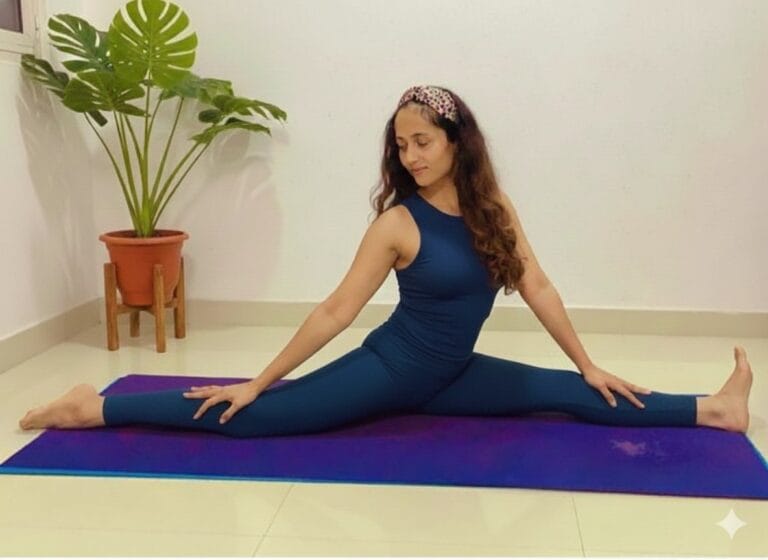
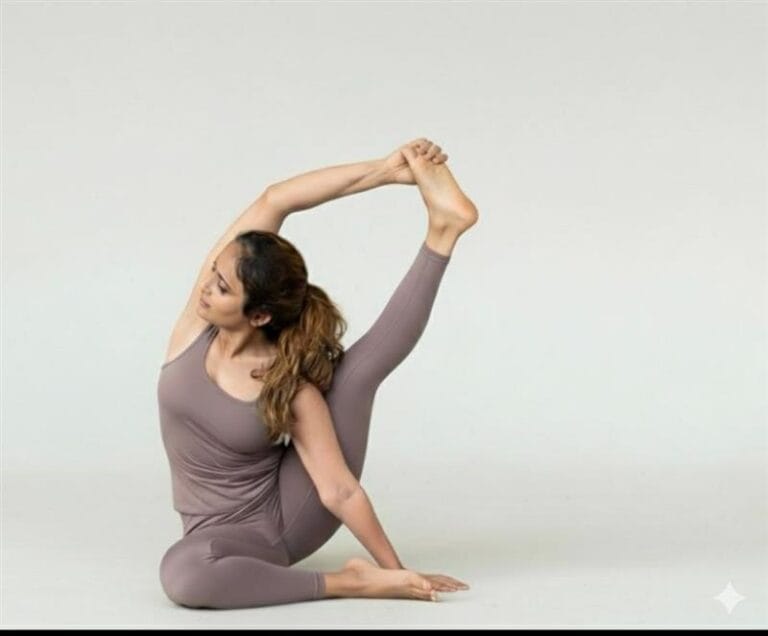
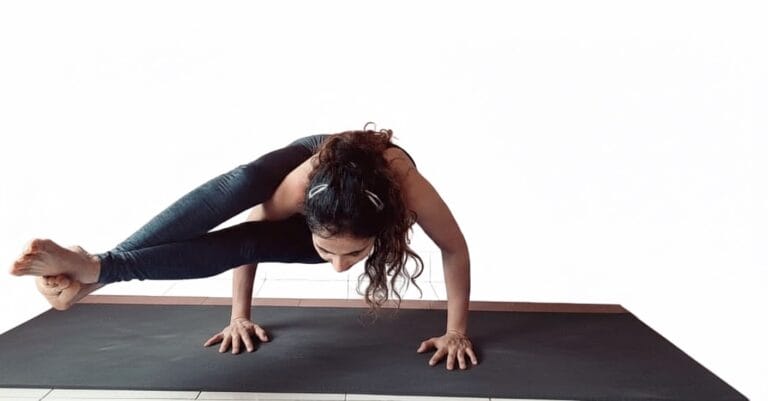
Hi, I’m Shweta, a Women’s Wellness & Yoga Coach with 10+ years of experience helping women through postpartum recovery, hormonal health, and menopause transitions.
I integrate yoga, functional movement, nutrition, and lifestyle to help women navigate postpartum with clarity and confidence.
Shweta Rao. Founder My Yoga Vibe
Read FAQs
Frequently Asked Questions about Menopause
When can I start postnatal yoga after delivery?
Most women can begin gentle postnatal yoga 6–8 weeks after normal delivery and 8–12 weeks after a C-section, with medical clearance. Our trainers guide you based on your recovery stage.
Is this program safe for C-section recovery?
Yes. Our classes include scar-friendly movements, breathwork, and gradual core re-activation specifically designed for C-section healing.
Will this help with diastasis recti?
Absolutely. We focus on deep core and transverse abdominis activation, avoiding movements that worsen abdominal separation.
I feel very tired and emotional. Will yoga help?
Yes. Our sessions support the nervous system, reduce cortisol, and create emotional balance — without pushing your energy limits.
Do I need prior yoga or fitness experience?
Not at all. The program is beginner-friendly, personalised, and guided step-by-step by certified trainers.
Can I attend online classes while caring for my baby?
Yes. Our online format allows flexibility, modifications, and a judgment-free environment designed for new mothers.