
Yoga Classes for Pregnant Ladies - Prenatal yoga online, trimester by trimester. Compare live classes and spot the safety red flags.
Read MorePRENATAL YOGA · PRIVATE 1-ON-1 · LIVE ONLINE
Private | Group Online Prenatal Yoga Sequenced for Your Trimester.
Live, private prenatal yoga from a certified pre- and postnatal coach — planned around your weeks, your scans and your obstetrician's advice. Three sessions a week, from wherever you are.
What is prenatal yoga?
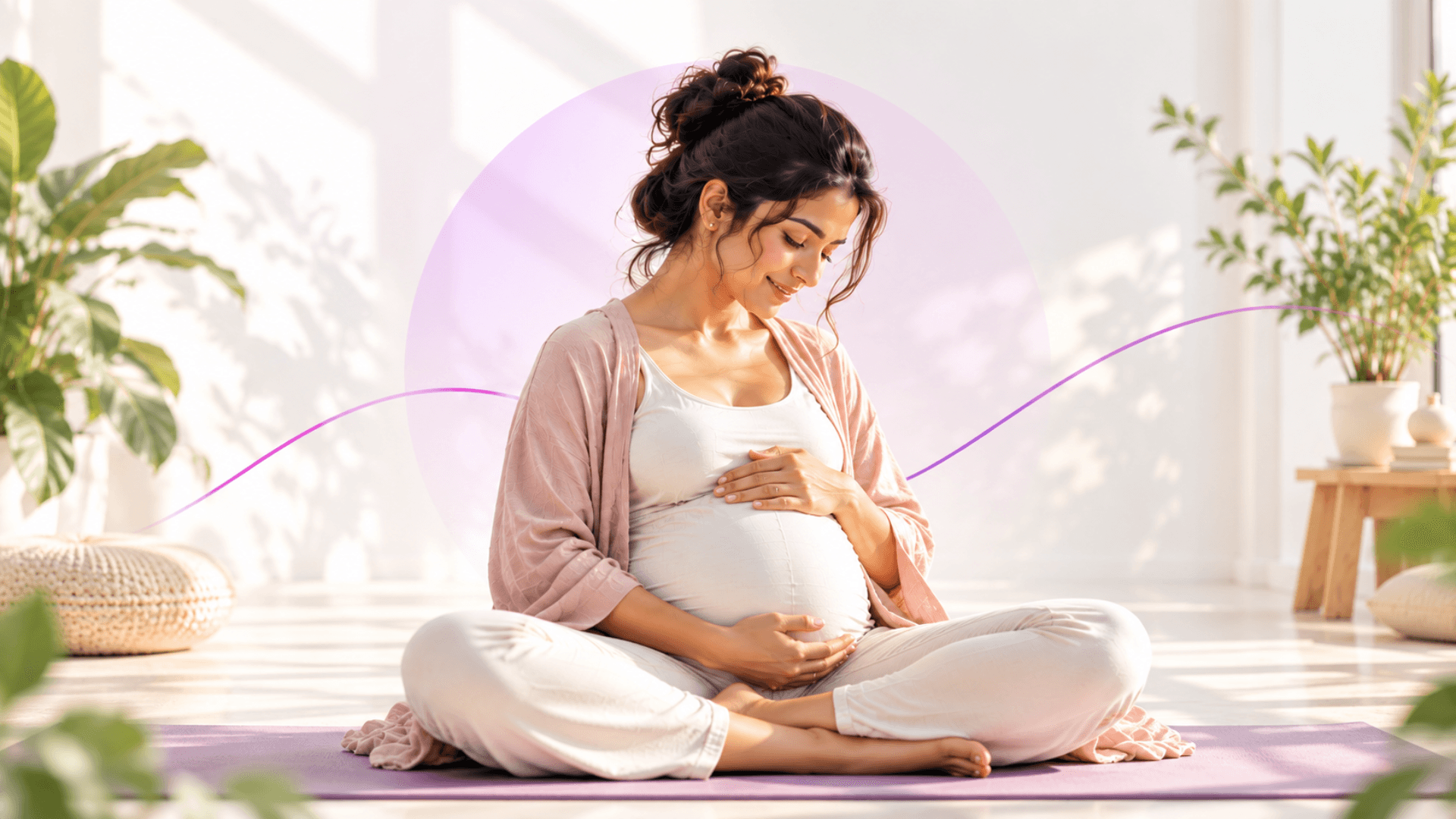
Prenatal yoga is yoga adapted for pregnancy. It combines gentle postures, breathing practice (pranayama) and deep relaxation, with every movement modified for the changes in your joints, circulation, breathing and balance. At My Yoga Vibe it is also therapeutic. Sequences are chosen for your trimester and for any pregnancy condition you are managing, then changed as your body changes — not one class taught the same way to every pregnant woman.
Is prenatal yoga safe?
For most women with an uncomplicated pregnancy, yes. The American College of Obstetricians and Gynecologists (ACOG) states that, without obstetric or medical complications, physical activity in pregnancy is safe and desirable. It recommends around 150 minutes of moderate activity a week, adapted to the body’s changes.
Safety depends on two things: your doctor’s clearance, and an instructor who knows what to modify. That is why every programme starts with an assessment, and why we ask about your scans, blood pressure and blood sugar before your first session.
We do not teach movement sessions if your doctor has told you not to exercise, or if you have:
- Placenta previa after 26 weeks, or persistent bleeding in the second or third trimester
- Preeclampsia or pregnancy-induced high blood pressure
- Cervical insufficiency or a cervical stitch (cerclage)
- Preterm labour, ruptured membranes, or a twin pregnancy with preterm-labour risk
- Severe anaemia, or significant heart or lung disease
In some of these cases, your doctor may approve breath and relaxation practice only. We will ask for that approval in writing.
Stop and call your doctor if you feel: vaginal bleeding or fluid leakage, regular painful contractions, dizziness or faintness, chest pain, a headache that will not settle, calf pain or swelling, or reduced baby movements.
What are the benefits of prenatal yoga?
ACOG links regular activity in pregnancy to a lower risk of gestational diabetes, caesarean and assisted delivery, and to quicker recovery after birth. Prenatal yoga is one gentle way to stay active, and it adds what a walk cannot: breath training and deep rest.
Women in our programmes most often come for:
- Easier lower-back, hip and pelvic discomfort
- Better sleep and lower day-to-day anxiety
- Breathing room as the baby grows and the diaphragm is pushed up
- Less leg cramping and swelling through circulation-focused movement
- Labour preparation: breath you can use, positions you have practised, a calmer nervous system
- An easier start to postnatal recovery
How prenatal yoga changes
trimester by trimester
| First Trimester (Weeks 1–13) | Second Trimester (Weeks 14–27) | Third Trimester (Weeks 28–40) | |
|---|---|---|---|
What your body is doing |
Fatigue, nausea, tender breasts, rising hormones |
Energy returns; belly grows; ligaments loosen; blood volume rises |
Baby at full size; breathlessness, swelling, heavier pelvis |
Our focus |
Breathing, gentle mobility, rest, managing nausea and fatigue |
Posture, back and pelvic stability, circulation, balance |
Comfort, side-lying and supported rest, breath for labour, hip mobility |
What we avoid |
Overheating, intense core work, deep twists, pushing through exhaustion |
Long periods flat on your back, deep backbends, jumps and fast transitions |
Deep squats unless your doctor approves, lying flat on your back, long holds |
Prenatal yoga in the first trimester (weeks 1–13)
You can begin prenatal yoga in the first trimester if your doctor is happy for you to exercise. The aim here is not fitness. It is to give you something steady to do with the nausea, tiredness and worry of the early weeks.
First-trimester sessions are shorter in effort and longer in rest. We keep you cool, avoid compressing the belly, and move away from anything that makes nausea worse. If you were already practising yoga before pregnancy, we scale your existing practice down rather than starting from zero.
How we support you:
- Calming breath practice for nausea and anxiety
- Gentle spinal and hip mobility
- Restorative poses and Yoga Nidra for fatigue
- Pelvic floor awareness, taught gently
Prenatal yoga in the second trimester (weeks 14–27)
The second trimester is often the easiest time to practise — energy returns and nausea fades. It is also when your body changes fastest, so the practice has to keep up.
Growing belly, shifting posture
➔
What is happening : The uterus rises, and your centre of gravity moves forward
How we adapt: Alignment cues, balance support, spinal awareness
Lower-back discomfort
➔
What is Happening: The lower back curves more to counterbalance the belly
How We Adapt: Gentle back strengthening, core stability, supported stretches
Looser ligaments
➔
What is Happening: The hormone relaxin softens ligaments to prepare for birth.
How We Adapt: Pelvic stability work; no end-range stretching
More blood volume
➔
What is Happening: Blood volume rises substantially, and the heart works harder.
How We Adapt: Slow transitions, breath-led pace, no strain.
Leg cramps and mild swelling
➔
What is Happening: The growing uterus slows blood return from the legs.
How We Adapt: Ankle and calf mobility, legs-elevated restorative poses
Lying on your back
➔
What is Happening: The uterus can press on major blood vessels when you lie flat
How We Adapt: Inclined or side-lying positions instead of flat-back work
Prenatal yoga in the third trimester (weeks 28–40)
In the last trimester, practice slows down and becomes deeply supported. The focus is comfort, breath and confidence for labour — never force.
What changes: your diaphragm is pushed up and breath shortens; the baby may drop lower; back pain and hip instability often increase; Braxton Hicks contractions begin; feet and ankles swell; digestion slows and reflux is common.
How we support you:
- Breathwork to open the ribs and ease breathlessness
- Hip mobility without strain, and side-lying restorative poses
- Movements that relieve swelling and pelvic pressure
- Pelvic floor work that includes learning to release, not only to engage
- Labour-preparation breath and positions you can use on the day
Prenatal yoga with a
pregnancy condition?
If you have a pregnancy-related condition, we need your doctor's clearance before your first session — dated within the last three weeks — and we plan only within what your doctor allows. These are the conditions we most often adapt for.
Gestational diabetes (GDM)
Raised blood sugar that develops in pregnancy. Regular gentle movement is part of most GDM care plans. We keep a moderate pace with no long holds and no breath retention, schedule sessions with your meal and medication timing in mind, and ask you to keep a snack and water within reach.
Low-lying placenta and placenta previa
The placenta sits low in the uterus, sometimes covering the cervix. Many low-lying placentas move up as pregnancy progresses. We follow your obstetrician’s guidance on each scan, avoid wide-legged stances and deep squats, and stop movement sessions entirely if previa persists after 26 weeks.
High blood pressure and preeclampsia
Preeclampsia is high blood pressure in pregnancy with signs of organ strain. We do not teach movement sessions with preeclampsia or pregnancy-induced hypertension. If your doctor approves it, we offer breath awareness and guided relaxation only. Seek urgent care for a severe headache, sudden swelling of the face or hands, or blurred vision.
Round ligament pain
A sharp, pulling pain on one or both sides of the lower belly as the ligaments supporting the uterus stretch. We avoid sudden transitions, deep backbends and strong twists, and use supported side stretches and gentle pelvic release.
Breech position
The baby is bottom- or feet-first rather than head-down. No yoga sequence has been shown to reliably turn a breech baby, and we will not promise that. If your obstetrician recommends positions or plans a procedure to turn the baby, we adapt your sessions around that plan.
Cervical insufficiency, cerclage, twins with preterm-labour risk
These are reasons not to exercise in pregnancy. We do not teach movement sessions. With written approval from your obstetrician, we can offer private breath and relaxation sessions only.
2 Ways to work with us
Private 1-on-1 is the right answer for a named diagnosis. Many women start there, then move to a group once their practice is established.
Private 1-1 Sessions
Your body. Your goals. Your timeline.
₹10,000/month
- 12 private sessions
- Custom plan, reviewed monthly
- WhatsApp support & practice notes
- Cancel or pause any month
Group Membership
Online Group Session with Personalized Approach.
₹1,999/Month
- Upto 10 members group size
- 12 sessions per month
- Accessibility to groups at different time
What happens in a
Prenatal Session??
Check-in (5 minutes)
➔
How you slept, any new symptoms, any change from your last scan or appointment.
Breath (10 minutes)
➔
Pranayama chosen for your trimester — never breath retention in pregnancy.
Movement (25–30 minutes)
➔
Postures for your back, hips, pelvis, and circulation, modified in real time on ZOOM.
Rest (10–15 minutes)
➔
Supported restorative poses and Yoga Nidra.
Notes
➔
A short written summary afterwards, and a 10–15 minute home practice for the days between sessions.
About Our Founder
Founded by Shweta, Women Wellness Coach, RYT-1000 and Doctorate in Yoga Philosophy, with extensive experience working with women through different stages of life.
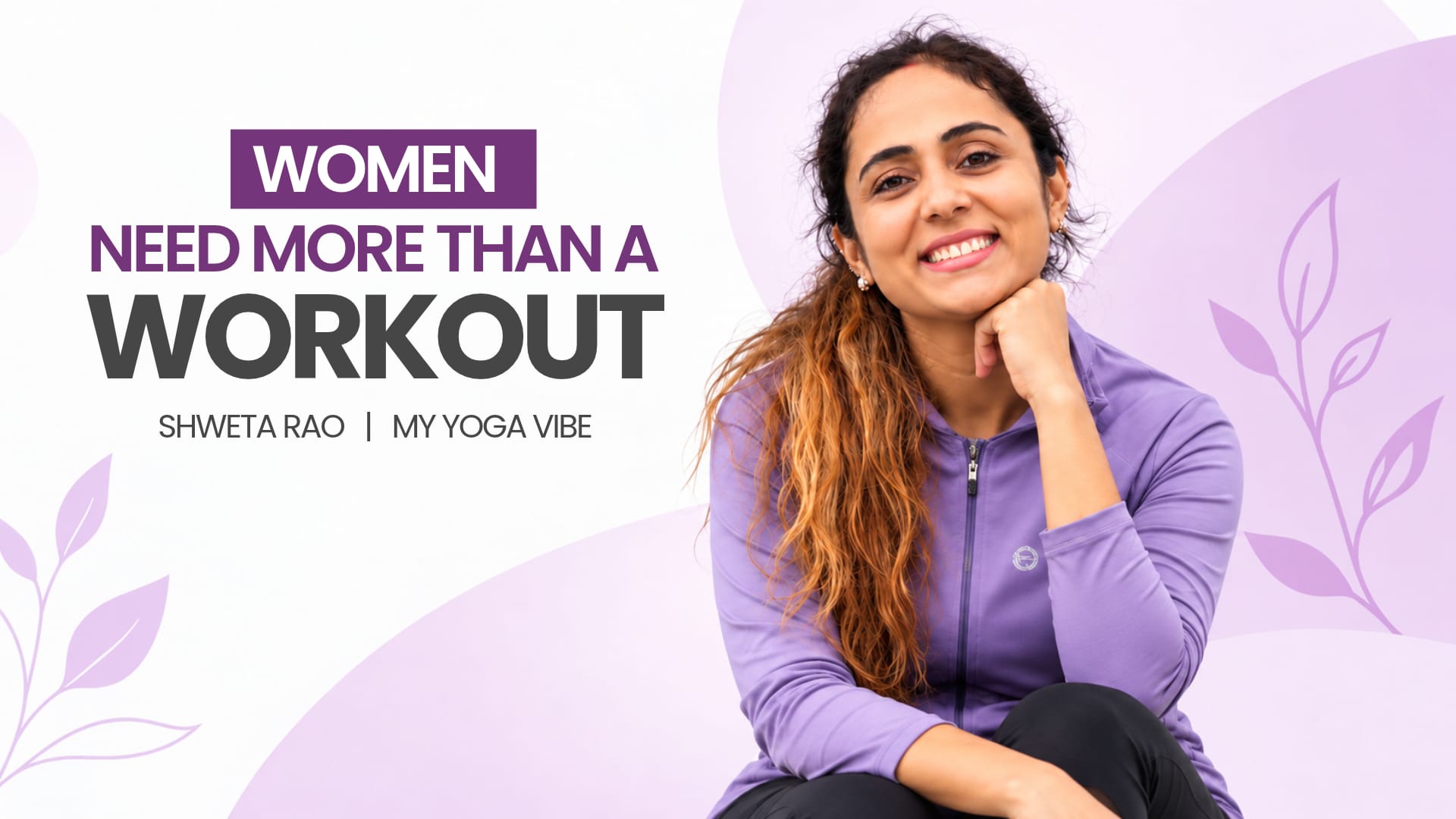
Shweta has spent ten years teaching therapeutic yoga to women with hormonal conditions, and PCOS is one of the most common reasons women come to her. She holds RYT-200, 300, 500 and 1000 certifications, is a certified pre- and postnatal yoga coach with advanced study in female anatomy and physiology, and was awarded a Doctorate in Yoga Philosophy. She has guided more than 500 women personally, in English and Hindi, across India, the Gulf, Europe and Türkiye.
Real Women Real Results
Watch how My Yoga Vibe is changing lives — from PCOS recovery to postpartum healing to renewed energy after menopause. These are not models. These are our members.
Prenatal yoga — frequently asked questions
Read FAQs
Is prenatal yoga safe in the first trimester?
Yes, for most women whose doctor has cleared them to exercise. First-trimester sessions focus on breathing, gentle mobility and rest. We avoid overheating, intense core work and deep twists, and we never ask you to push through nausea or exhaustion.
When should I start prenatal yoga?
You can start in any trimester once your doctor approves exercise. Many women begin in the second trimester, when nausea eases and energy returns. Starting later is fine too — third-trimester sessions focus on comfort, breath and labour preparation.
When should I not do prenatal yoga?
Avoid prenatal yoga if your doctor has advised against exercise, or if you have preeclampsia, placenta previa after 26 weeks, cervical insufficiency or a cerclage, preterm labour, ruptured membranes, persistent bleeding, or a twin pregnancy with preterm-labour risk. Your doctor may still approve breath and relaxation practice.
Can I do prenatal yoga if I have never done yoga before?
Yes. No experience is needed. Your assessment tells us where your body is today, and your first sessions start there. Prenatal yoga is built on gentle movement, breathing and rest, not flexibility.
Is online prenatal yoga as safe as an in-person class?
A private online session can be safer than a busy studio class, because your instructor watches only you and corrects you in real time. We also review your scans, symptoms and doctor’s advice before every phase of your programme.
Which yoga poses should I avoid during pregnancy?
Avoid lying flat on your back for long after the first trimester, deep backbends, strong twists, intense core work, inversions, hot yoga, and anything with a fall risk. Specific conditions add more limits — for example, no wide-legged stances with a low-lying placenta.
Can prenatal yoga help with gestational diabetes?
Regular gentle activity is part of most gestational diabetes care plans, and prenatal yoga is one way to stay active safely. It supports — it does not replace — your diet plan, monitoring and any medication your doctor prescribes.
Can yoga turn a breech baby?
There is no good evidence that any yoga sequence reliably turns a breech baby. If your obstetrician suggests particular positions or plans a procedure to turn the baby, we adapt your sessions around that plan.
Do I need my doctor's permission?
Yes. We ask every pregnant woman to confirm her doctor’s approval for exercise. If you have a pregnancy condition, we ask for written clearance dated within the last three weeks before your first session.
Articles on Prenatal
Explore our collection of insightful articles designed to support your wellness journey. Here, we share knowledge, inspiration, and tips to help you thrive in mind, body, and spirit.
Mental Health Benefits of Prenatal Yoga
Mental Health Benefits of Prenatal Yoga Get 5 Day Free Trial Now Introduction: Mental Health Benefits of Prenatal Yoga Pregnancy is a remarkable journey that...
Read More
Prenatal Yoga Poses for First Trimester
Prenatal Yoga Poses for First Trimester Book Your Assessment Class Welcome to Your First Trimester Journey: Embrace the Power of Prenatal Yoga Congratulations, mama-to-be! As...
Read More