

Yoga for Menopause - How therapeutic yoga supports hot flashes, sleep, mood, joints and bone health in perimenopause and menopause, alongside your doctor's care.
Read MoreMenopause and Perimenopause · PRIVATE 1-ON-1 · LIVE ONLINE
Private | Group Online Yoga Menopause and Perimenopause
A private or group, 12-week therapeutic yoga programme for the sleep, mood, joint and strength changes of midlife — designed around your symptoms, your medication and your week by women's health specialist Shweta Rao.
Does yoga help with menopause?
Yes, for several symptoms. A 2018 meta-analysis of 13 randomised trials with 1,306 women found yoga reduced overall menopausal symptoms, including psychological, physical and urogenital ones. The clearest gains are in sleep and mood; evidence on hot flashes is mixed. Most trials ran 10–12 weeks, two to three sessions a week.
"Normal for your age" is not a plan
You are sleeping in two-hour pieces. Your knees ache on the stairs. You snap at people you love and then lie awake replaying it. Your weight has moved to your middle on the same food and the same effort.
Someone told you this is normal for your age. It is common. That does not mean you have to just live with it. Midlife changes respond to the right kind of movement, breath and rest — practised consistently, adjusted as your body changes, and done alongside your doctor’s care.
Perimenopause or menopause? Know where you are
Most women searching for menopause help are actually in perimenopause — the years of change before periods stop. The stage you are in shapes what your practice should focus on.
| Stage | What it means | What we usually focus on |
|---|---|---|
Perimenopause |
The transition years: cycles become irregular, symptoms start. It lasts until 12 months after your final period. |
Sleep, stress load, cycle-aware sequencing, mood |
Menopause |
The point when you have had no period for 12 consecutive months. |
Sleep, flushes, joint comfort, building strength |
Postmenopause |
Every year after that point. |
Bone and muscle strength, balance, pelvic floor, mobility |
Why Indian women need to start earlier
The average age of menopause in India is about 46 — roughly five years earlier than the 51 often quoted in Western guidance. A systematic review put the Indian average at 46.6 years, and national survey data (NFHS-5 and LASI) put it at 46.
In a study of 1,765 urban Indian women, three in four reported hot flashes or night sweats and six in ten reported psychological symptoms. The same study found osteoporosis appearing about a decade earlier than in white European women.
If you live in London, Dubai or New Jersey, your doctor’s reference point may be a 51-year-old. Your body may be running on a different clock. That is why we start strength and bone-supporting work early, not after symptoms peak.
What a menopause practice
can work on?
Broken sleep and night waking
Sleep is where yoga has the strongest evidence in midlife. Evening sessions shift toward slow breathing, restorative postures and Yoga Nidra, and you get a 10-minute wind-down to use at home on non-session nights.
Anxiety, low mood and irritability
Breath practices such as Bhramari (humming breath) and longer exhales give your nervous system a reliable way to settle. Trials consistently show improvements in psychological menopausal symptoms with regular yoga.
Hot flashes and night sweats
The research here is honestly mixed: some reviews show a benefit, a large US trial did not. We teach Sheetali (cooling breath) and pacing techniques many women find useful during a flush, and we keep your doctor in the loop about treatment options.
Stiff joints, back and knee pain
Midlife joints need movement, not rest. Sequences build mobility and the muscle that supports your hips, knees and spine, at a load your body tolerates that week.
Weight around the middle and low energy
We build lean muscle with controlled strength work and short, low-impact intervals, progressing as your sleep and recovery improve.
Pelvic floor and bladder changes
Core and pelvic floor work is built in from week one, using breath-led activation rather than endless crunches.
What the research shows — and what it doesn't
We would rather tell you what yoga can realistically do than promise it fixes everything.
| Symptom | What the research shows | How we use it |
|---|---|---|
Insomnia and sleep |
Consistent benefit. A 12-week trial of 249 women found yoga reduced insomnia symptoms. |
Evening sequencing, Yoga Nidra, home wind-down |
Anxiety and mood |
Breath practices, restorative work | |
Overall symptom scores |
Reduced in a 2018 meta-analysis of 13 trials |
The full 12-week Vibe Method |
Hot flashes and night sweats |
Mixed. One meta-analysis shows benefit; the US MsFLASH trial found no change in frequency. |
Cooling breath and pacing; see your doctor for treatment |
Joint pain and stiffness |
Physical symptom scores improve with regular yoga |
Mobility and strength sequencing |
Why not just push harder at the gym?
When the weight shifts and energy drops, many women respond by training harder. Intensity has its place. But if you are already sleeping badly and running on stress, more of it is often the wrong first move. We build strength with controlled, load-bearing work, keep cardio intervals short and joint-friendly, and progress once sleep and recovery come back.
The Vibe Method for
menopause
Move
➔
Therapeutic sequences chosen for your body today: mobility for stiff joints, standing strength for bones, Pilates-based core and pelvic floor work.
Breathe
➔
Sheetali for heat, Bhramari for an anxious mind, and slow diaphragmatic breathing for sleep — matched to your symptoms, not a fixed syllabus.
Rest
➔
Yoga Nidra and restorative postures in every session. For most women, learning to rest deeply is harder than any pose.
Track
➔
Each session is documented. Every month we review sleep, pain, mood, flushes and strength so you can see change even when it feels slow.
What 12 weeks looks like
- Week 0 — Assessment. 30 minutes on your history, symptoms, medication, reports and goals. Within 48 hours you receive a written plan.
- Weeks 1–2 — Baseline. Gentle mobility, breath and rest; we learn what your body tolerates.
- Weeks 3–5 — Sleep and energy. Most women notice sleep and energy shifting first.
- Weeks 6–9 — Strength. Load and balance progress; home practice grows.
- Weeks 10–12 — Review. The changes you came for usually show here. We document them and plan the next quarter.
Twelve weeks is the honest number. It also matches the length of most clinical trials of yoga in menopause.
Choose how you practise
Private 1-on-1 is the right answer for a named diagnosis. Many women start there, then move to a group once their practice is established.
Private 1-1 Sessions
Your body. Your goals. Your timeline.
₹10,000/month
- 12 private sessions
- Custom plan, reviewed monthly
- WhatsApp support & practice notes
- Cancel or pause any month
Group Membership
Online Group Session with Personalized Approach.
₹1,999/Month
- Upto 10 members group size
- 12 sessions per month
- Accessibility to groups at different time
About Our Founder
Founded by Shweta, Women Wellness Coach, RYT-1000 and Doctorate in Yoga Philosophy, with extensive experience working with women through different stages of life.

Shweta has spent ten years teaching therapeutic yoga to women with hormonal conditions, and PCOS is one of the most common reasons women come to her. She holds RYT-200, 300, 500 and 1000 certifications, is a certified pre- and postnatal yoga coach with advanced study in female anatomy and physiology, and was awarded a Doctorate in Yoga Philosophy. She has guided more than 500 women personally, in English and Hindi, across India, the Gulf, Europe and Türkiye.
Menopause & Perimenopause yoga — frequently asked questions
Read FAQs
Does yoga help with menopause symptoms?
Yes, for several. A 2018 meta-analysis of 13 randomised trials with 1,306 women found yoga reduced total menopausal symptoms, including psychological, physical and urogenital symptoms. The strongest evidence is for sleep and mood. Practise two to three times a week for at least 10–12 weeks.
Does yoga reduce hot flashes?
The evidence is mixed. One 2018 meta-analysis found a benefit, but a large US trial found 12 weeks of yoga did not reduce hot flash frequency, though it did improve insomnia. Cooling breath (Sheetali) can help some women feel more in control during a flush. Discuss treatment options with your doctor.
What is the best type of yoga for perimenopause?
A therapeutic mix works best: mobility and strength-building postures, breathwork such as Bhramari and slow exhalation, and deep rest like Yoga Nidra. Avoid copying a generic class. Perimenopause symptoms change month to month, so sequencing should be adjusted to your sleep, cycle and energy.
At what age does menopause start for Indian women?
The average age of menopause in India is about 46, roughly five years earlier than the global figure of 51. Perimenopause symptoms often begin several years before that. Indian women abroad should know their own timeline may run earlier than local guidance assumes.
How long does yoga take to help menopause symptoms?
Most women notice sleep and energy shifting in weeks three to five. Changes in mood, pain, strength and symptom scores usually show around weeks ten to twelve. That is why My Yoga Vibe programmes run in 12-week blocks, matching most clinical trials of yoga in menopause.
Can I do yoga if I am on HRT?
Yes. Yoga works alongside hormone replacement therapy, not instead of it. Keep taking any prescribed medication and tell your instructor what you take at your assessment. Your doctor remains in charge of treatment; your practice is built to support it.
Is online 1-on-1 yoga effective for menopause?
Yes, when it is live and private. Your instructor watches only you, corrects alignment in real time and adjusts each session to how you slept and felt that week. Many members say they are corrected more often online than at the back of a studio class.
Is yoga or HIIT better during menopause?
Both can have a place, but order matters. If you are sleeping badly and stressed, start with strength-focused yoga, breathwork and rest, then add short, low-impact intervals as recovery improves. Building muscle and protecting joints matters more in midlife than exhausting yourself.
Articles on Menopause & Perimenopause
Explore our collection of insightful articles designed to support your wellness journey. Here, we share knowledge, inspiration, and tips to help you thrive in mind, body, and spirit.
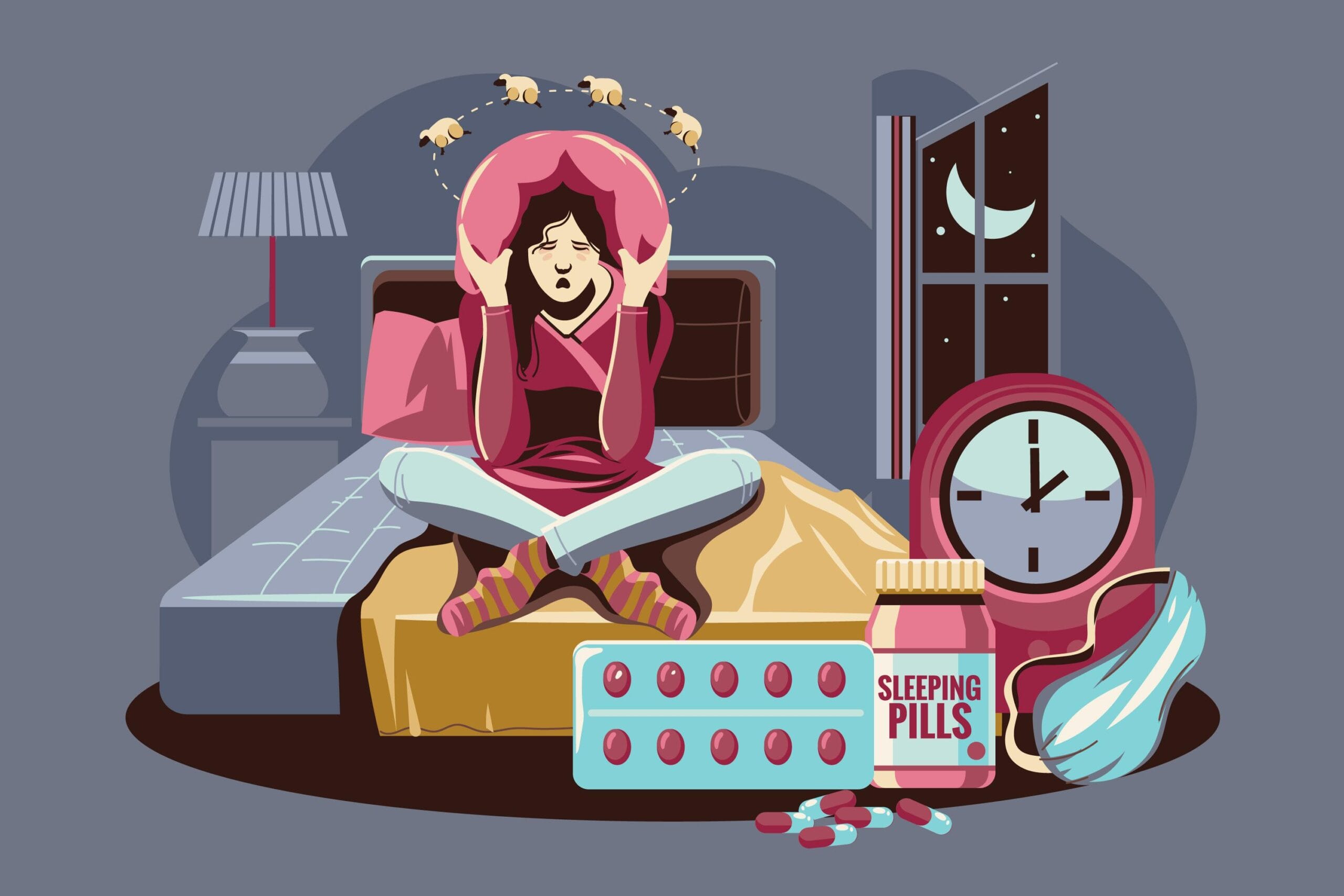
What Causes Menopause Fatigue and How to Manage it?
Discover how online live therapeutic yoga & Pilates classes can reduce menopause fatigue, improve sleep, mood, and energy. Free trial class offered by My Yoga...
Read More